


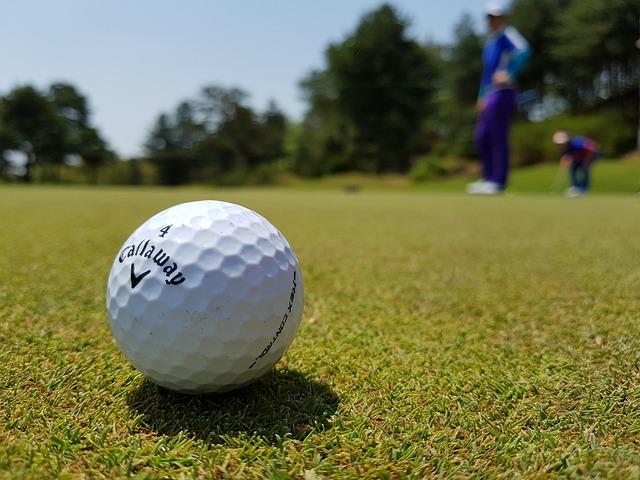
Choosing the right club for your chip shot can make all the difference between a smooth save and an unexpected three-putt. As golfers seek to refine their short game, understanding the nuances behind club selection has become a critical piece of the puzzle. In this article, we break down the factors influencing your choice-from distance and lie to course conditions-helping players of all levels navigate their way to better scoring opportunities around the green.
Understanding Loft and Distance to Improve Your Chip Shot Accuracy
Mastering the art of chipping starts with a clear understanding of how loft influences the ball’s trajectory and landing behavior. Clubs with higher lofts, such as the sand wedge or lob wedge, produce a steeper ascent and softer landing, ideal for delicate shots that require precise stopping power near the green. Conversely, lower-lofted clubs like the pitching wedge or 9-iron generate a flatter trajectory with more roll after landing, perfect for longer chip shots where distance control and runout become crucial factors. Selecting the right loft is essential not only for height but also for managing how the ball interacts with the turf and eventual pin placement.
Distance control hinges on both the loft and the shot’s intended rollout, meaning players must evaluate conditions and target zones carefully. Here’s a quick comparison of common chipping clubs and their typical use-cases:
| Club | Loft (°) | Distance Behavior | Ideal Use |
|---|---|---|---|
| P.G.Wedge | 44-48 | Medium height, moderate roll | Long chips with roll |
| Sand Wedge | 54-56 | High trajectory, limited roll | Bunker shots, short chips |
| Lob Wedge | 58-64 | Very high trajectory, soft landing | Flop shots, tight pin approaches |
By matching loft to the desired chip distance and green conditions, golfers can enhance accuracy and speed up their scoring improvements. Remember, practice with each club’s unique flight and roll characteristics is vital to making confident on-course choices.
Selecting the Ideal Club for Various Lies and Green Conditions
Reading the lie accurately is crucial when deciding which club to use around the green. For a clean, tight lie on closely mown grass, a higher lofted club such as a lob wedge or a sand wedge is often the best choice, allowing for crisp contact and a higher trajectory that stops quickly on the green. Conversely, if the ball is sitting up in thick rough, opting for a less lofted club like a pitching wedge or 9-iron can help you sweep the ball cleanly under the grass without getting caught. It’s also essential to consider the firmness and undulation of the green-in softer conditions, a softer landing shot aided by a higher loft provides better control, while firmer greens benefit from lower trajectory chips that roll out more predictably.
To simplify the decision-making process, here’s a quick reference for matching clubs to different lies and green conditions:
| Lie Condition | Recommended Club | Green Condition | Ideal Shot Characteristic |
|---|---|---|---|
| Tight Closely Mown | Lob or Sand Wedge | Soft Green | High Trajectory, Soft Landing |
| Thick Rough | Pitching Wedge or 9-Iron | Firm Green | Lower Trajectory, Controlled Roll |
| Slightly Uneven | Gap Wedge | Medium Firmness | Balanced Flight & Roll |
- Assess your lie attentively: The ball’s position relative to the turf changes everything.
- Factor green conditions into your club choice: This can dictate whether you aim for a lot of roll or a soft stop.
- Practice versatile shots: Being comfortable with multiple clubs allows better adaptability during play.
Concluding Remarks
In the end, selecting the right club for your chip shot depends on a variety of factors-including the distance to the hole, the lie of the ball, and the green conditions. By understanding the strengths and limitations of each club, golfers can make more informed decisions that improve their short game performance. Whether opting for a sand wedge, pitching wedge, or even a 7-iron, thoughtful club choice remains a key element in lowering scores and enhancing overall play. As always, practicing different techniques and familiarizing yourself with your equipment will be the most reliable way to determine what works best for your unique game.