


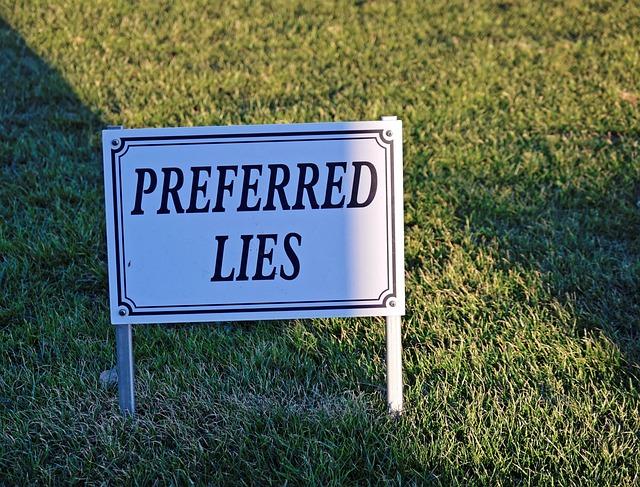
In the ever-evolving world of golf, rules govern everything from swing mechanics to scorekeeping, shaping both the pace and spirit of the game. Yet, as with any tradition steeped in decades of history, not all regulations sit well with players and fans alike. Recently, we solicited feedback from our readers on which golf rules they believe are outdated or in need of reform. The responses reveal a fascinating mix of practical concerns, calls for modernization, and passionate debates over fairness. In this article, we explore the top rules our readers want changed-and where my own perspective diverges from the prevailing opinions.
Readers Call for Simplified Penalty Rules to Speed Up Play
Many golfers express frustration over the complexity and time-consuming nature of penalty assessments in modern play. Readers suggest that simplifying penalty rules could significantly speed up rounds and enhance the overall enjoyment of the game. Proposals range from reducing the number of penalty strokes for common infractions to clearer, more straightforward guidelines that eliminate prolonged deliberations. Suggestions include:
- Replacing traditional stroke penalties with one-shot deductions to keep pace steady
- Allowing immediate ball-from-a-plugged-lie-in-a-bunker-to-identify-it/” title=”Can You Remove a … from a Plugged Lie in a Bunker to Identify It?”>relief options without mandatory distance-drop rules
- Introducing time limits for rule consultations during play
While these ideas resonate with many casual and recreational players, I remain cautious about loosening the rules too much. The integrity and challenge of golf depend partly on adherence to established regulations that ensure fairness and skill recognition. However, there is merit in exploring a balance between tradition and efficiency. Below is a comparison highlighting key aspects of current penalty enforcement versus proposed simplified alternatives:
| Penalty Aspect | Current Rule | Proposed Simplification |
|---|---|---|
| Stroke Penalty | One or two strokes depending on infraction | Uniform one-stroke penalty |
| Penalty Area Relief | Drop behind hazard, sometimes far back | Drop near ball, no mandatory distance |
| Rule Consultation Time | No limit, often causing delays | Maximum 2 minutes per inquiry |
Why Maintaining Strict Equipment Standards Preserves the Integrity of the Game
In golf, every detail counts. The enforcement of strict equipment standards isn’t just about regulation-it’s the very backbone that preserves fair competition. Allowing unchecked innovations or unregulated gear modifications risks creating disparities that extend beyond skill or strategy. When the playing field is altered through technology that provides undue advantage, it fractures the notion of meritocratic success. Maintaining these standards means players are tested purely on talent, course management, and mental toughness.
Key reasons why equipment rules matter:
- Consistency: Ensures all players contend with similar gear capabilities.
- Tradition: Upholds the spirit and history of the game.
- Fairness: Prevents economic disparity from overwhelming skill.
| Equipment Aspect | Standard Impact | Potential Abuse if Unregulated |
|---|---|---|
| Club Head Size | Limits forgiveness and shot dispersion | Excessive gain in distance & accuracy |
| Golf Ball Compression | Controls ball speed and spin | Artificial enhancement of carry distance |
| Grip Design | Maintains consistency in feel and control | Use of sticky or tacky materials for unfair advantage |
In Conclusion
As the debate over golf’s rules continues to evolve, it is clear that players and fans alike are eager for changes that could modernize the game and enhance its accessibility. While the perspectives shared by our readers highlight meaningful areas for reform, some traditional principles remain essential to preserving the spirit and challenge intrinsic to golf. Balancing innovation with respect for the sport’s heritage will be key as governing bodies consider which rules to revise. Ultimately, ongoing dialogue between the golfing community and regulators will shape a game that honors its past while embracing the future.