


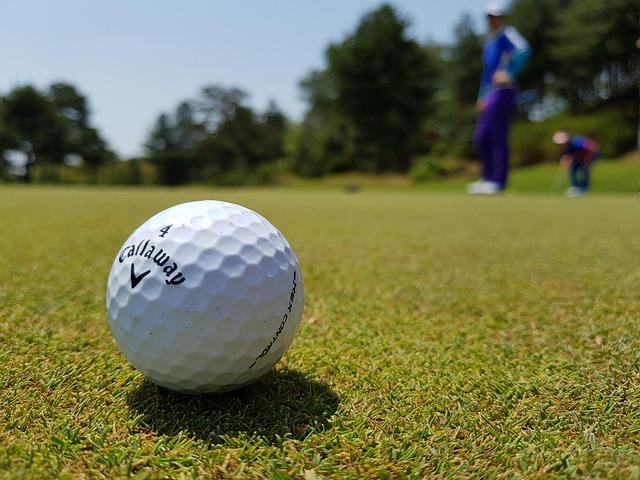
Golfers struggling to improve their mid swing speed and consistently hold greens may need to look no further than their choice of golf ball. Recent insights from industry experts reveal that certain golf ball designs, tailored for specific swing speeds, can significantly impact both distance and control on the course. As more players seek equipment that complements their playing style, understanding how golf ball technology interacts with mid swing speeds is becoming crucial for those aiming to enhance performance and lower scores.
Mid Swing Speed Variations Impacting Ball Spin and Control on Greens
Mid swing speed plays a pivotal role in dictating the amount of spin generated on the ball upon impacting the green. When a golfer’s swing speed fluctuates, even slightly, it can cause significant variations in backspin, leading to unpredictable ball behavior once landing on the putting surface. Balls engineered for higher spin tend to react best at consistent, optimized swing speeds, while those designed with lower spin profiles can better absorb speed variations but may sacrifice control precision.
Key factors affecting spin and control due to mid swing speed changes include:
- Compression and feel: Different balls compress differently at various speeds, influencing how much friction and spin is imparted.
- Core design: Multi-layered balls may offer stability through speed inconsistencies, ensuring steadier spin rates.
- Cover material: Urethane covers are more responsive to subtle speed changes, while ionomer covers provide more predictable roll.
| Golf Ball Type | Optimal Swing Speed (mph) | Spin Consistency | Green Control |
|---|---|---|---|
| High Spin Urethane | 85-100 | Moderate | Excellent at consistent speeds |
| Mid Spin Multi-layer | 75-95 | High | Good with speed variation |
| Low Spin Ionomer | 65-85 | Very High | Best for variable swing speeds |
Choosing the Right Golf Ball for Improved Green Holding at Mid Swing Speeds
Not all golf balls are engineered to perform optimally at mid swing speeds, which range typically from 85 to 95 mph. Many options on the market cater to either high swing speeds or beginners with slower swings, leaving mid-speed players struggling to maintain consistent green hold. Selecting a ball with the right compression and cover material is critical to ensuring the ball reacts correctly on approach shots. Golf balls with a softer urethane cover and a compression rating designed for mid-speed players can engage better with the grooves on your wedge, creating more friction and spin essential for stopping the ball quickly on slick greens.
Key ball characteristics that improve green holding at mid swing speeds include:
- Compression: Mid-range compression (70-85) allows the ball to compress adequately without losing energy, enhancing control.
- Cover Material: Urethane covers provide better spin potential compared to ionomer covers.
- Dimples Pattern: Optimized for stable flight, reducing bounce on landing and promoting better roll control.
| Golf Ball Model | Compression | Cover Type | Spin Performance |
|---|---|---|---|
| Titleist Pro V1 | 85 | Urethane | High |
| Callaway Chrome Soft | 75 | Urethane | Moderate |
| Bridgestone Tour B RX | 78 | Urethane | High |
| Srixon Q-Star Tour | 80 | Urethane | Moderate |
To Conclude
In summary, mid swing speeds combined with the wrong golf ball choice can significantly impact a player’s ability to hold greens. As manufacturers continue to innovate, selecting a golf ball that complements your swing speed and shot requirements is more important than ever. Golfers struggling with control on approach shots should consider evaluating their equipment alongside technique adjustments. Ultimately, understanding the interplay between swing dynamics and ball design could be the key to unlocking better performance on the course.