


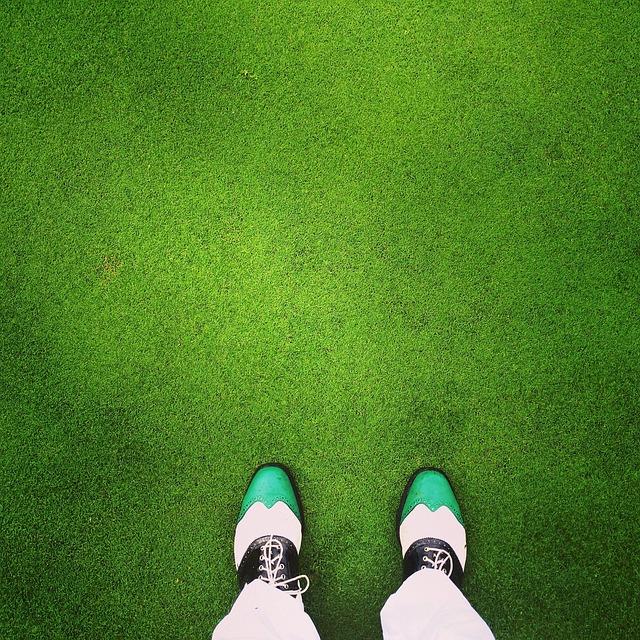
In the world of golf, the right footwear can make all the difference between a smooth swing and a slip on the greens. However, many players overlook the warning signs that indicate it’s time to retire their current golf shoes. Identifying these red flags early can help golfers maintain optimal performance and comfort on the course. Here are two crucial indicators that signal you need to invest in a new pair of golf shoes.
Signs Your Golf Shoes Are Compromising Your Performance on the Course
When your golf shoes start to feel more like a hindrance than a help, subtle cues often go unnoticed until they seriously impact your game. One obvious warning sign is the loss of grip on the turf. If your footing feels unstable or if you find yourself slipping during your swing, it’s a clear indicator that the soles have worn down considerably. Modern shoes are engineered with specialized spikes and tread patterns designed to provide maximum traction, but once these are compromised, your balance and power transfer suffer dramatically.
Another critical signal involves the shoe’s structural integrity. Over time, the midsole and upper materials can break down, causing uneven support and resulting in foot pain or fatigue by the end of your round. Look for visible cracks, soft spots, or areas where the shoe no longer maintains its original shape. These issues can lead to inconsistent posture and alignment, both key factors in precision and distance. Below is a quick reference table outlining key footwear issues and their impact on performance:
| Warning Sign | Performance Impact |
|---|---|
| Worn Out Soles | Reduced traction, higher risk of slipping |
| Loss of Arch Support | Increased foot fatigue, inconsistent swings |
| Cracked or Loose Upper | Poor fit, distraction, and less control |
| Damaged Spikes/Studs | Compromised stability on various terrains |
Expert Tips for Choosing Durable and Supportive Golf Footwear
When selecting golf footwear, prioritizing durability and support is essential for maintaining peak performance throughout each round. Look for shoes crafted from high-quality materials like full-grain leather or advanced synthetics designed to resist wear and tear from repeated swings and unpredictable weather conditions. Equally important is the shoe’s sole construction – spikeless soles with sturdy traction patterns can provide reliable grip on diverse terrains while minimizing slippage. Additionally, examine the midsole cushioning; modern EVA foam or gel-infused insoles absorb shock, reducing fatigue and protecting your joints during those long walks on the course.
Support features should never be overlooked. Shoes equipped with reinforced heel counters and arch support can significantly improve stability and prevent injuries related to poor foot alignment. If you’re unsure where to start, consider these critical factors:
- Material Breathability: Ensures feet stay cool and dry during heat and humidity.
- Water-Resistance: Keeps feet comfortable in wet conditions.
- Weight: Lightweight models reduce strain without sacrificing strength.
- Fit Customization: Adjustable lacing or straps for personalized comfort.
| Feature | Benefit | Look For |
|---|---|---|
| Leather Upper | Durability & Classic Style | Full-grain, Waterproof Treated |
| Spikeless Sole | Versatile Traction & Comfort | Patterned Rubber Grip |
| Arch Support | Enhanced Stability | Reinforced Midsole Inserts |
Insights and Conclusions
As the game of golf demands both precision and comfort, ensuring your footwear meets these needs is crucial. Recognizing the warning signs-whether it’s diminishing traction or visible wear and tear-can save you from unnecessary discomfort and compromised performance on the course. Staying attentive to these red flags will help you know when it’s time to invest in a new pair of golf shoes, keeping you steady and confident with every swing.