


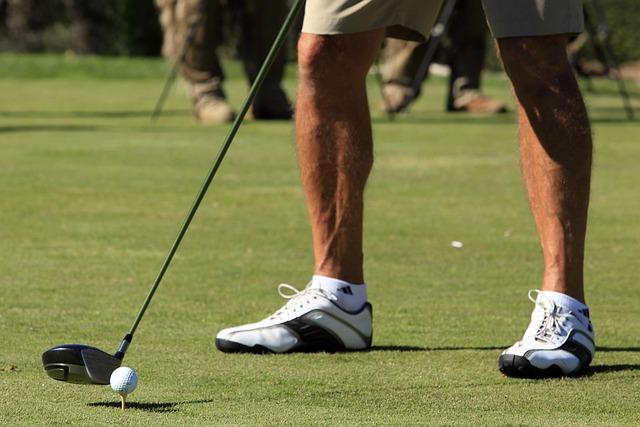
Mastering the perfect tee shot is a fundamental skill that can transform your game from amateur to expert. Whether you’re a weekend warrior or an aspiring tournament player, knowing how to tee up like a pro is essential for consistent performance on the course. In this guide, we break down the techniques, equipment choices, and strategic tips that top golfers use to gain an edge off the tee. Stay tuned as we explore the key elements that will help you elevate your swing and start every hole with confidence.
Mastering Your Stance and Grip for Consistent Power
Achieving consistent power starts with foundation fundamentals: your stance and grip. Position your feet shoulder-width apart to create a stable base, ensuring your weight is evenly distributed between both legs. This balanced alignment allows for a controlled, powerful swing without sacrificing accuracy. Keep your knees slightly bent and engage your core to maintain stability, while your shoulders stay relaxed yet aligned parallel to your target line. This setup is crucial, as even minor deviations can dramatically affect the ball’s trajectory and distance.
Equally important is mastering the grip, which connects your hands to the club as if they were one unit. Most pros prefer the neutral grip – where the “V”s formed by thumb and forefinger point towards your trailing shoulder, ensuring both control and swing freedom. Avoid gripping too tightly; instead, opt for firm but relaxed fingers to maximize club head speed. Below is a breakdown of recommended grip pressures for optimal power and control:
| Grip Pressure | Finger Tension Level | Effect on Power |
|---|---|---|
| Light (1-3 out of 10) | Minimal, relaxed | More wrist flexibility, less control |
| Moderate (4-6 out of 10) | Balanced, steady | Optimal balance of power & precision |
| Heavy (7-10 out of 10) | Tense, tight | Reduced speed, risk of tension |
- Adjust grip pressure to personal comfort but stay in the moderate zone for consistency.
- Practice stance and grip together to harmonize your body’s movements during the swing.
- Regularly revisit these basics, as fatigue or course conditions can alter your form.
Choosing the Right Tee Height and Ball Position for Optimal Launch Angle
Finding the perfect tee height and ball position is crucial to maximizing your launch angle and, ultimately, your driving distance. A higher tee is typically recommended for modern drivers with a lower spin rate, as it encourages hitting the ball on the upswing, promoting an optimal launch angle and reduced spin. Conversely, a slightly lower tee height works better for irons or higher lofted clubs, ensuring clean contact and accuracy. Positioning the ball too far forward or backward can disrupt the angle of attack, resulting in inconsistent ball flights that can sabotage your shot trajectory.
To fine-tune your setup, consider these key tips:
- Ball Position: Place the ball just inside your lead heel for drivers to encourage an upward strike.
- Tee Height: Aim to have approximately half of the ball sitting above the top edge of your driver’s clubface.
- Adjust as Needed: Experiment with slight modifications based on swing speed and launch monitor feedback.
| Club | Ideal Tee Height | Ball Position | Tip |
|---|---|---|---|
| Driver | Ball sits 50% above clubface | Inside lead heel | Promotes upward strike |
| 3-Wood | Ball slightly above clubface | Center of stance | Encourages sweeping contact |
| Iron | Low tee or ground level | Center to slightly back | Ensures downward strike |
Concluding Remarks
Mastering the art of teeing up is a fundamental step toward improving your golf game and playing with confidence on the course. By incorporating the tips and techniques outlined in this guide, golfers of all skill levels can develop a more consistent and effective tee shot. Remember, practice and attention to detail are key to teeing up like a pro. Stay tuned for more insights and expert advice to help you elevate every aspect of your play.