


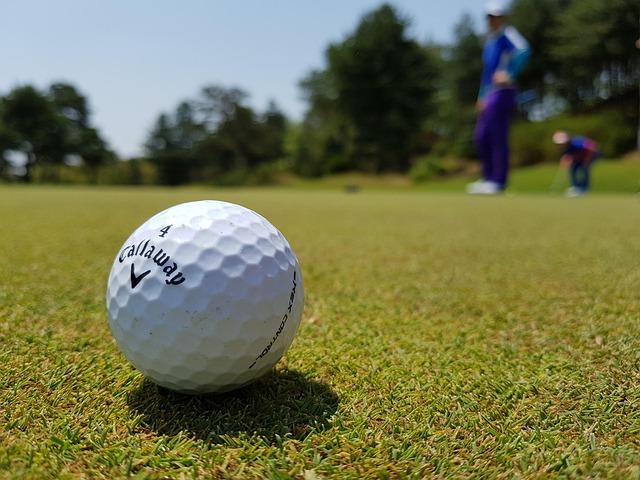
Golfers, when was the last time you re-gripped your clubs? Often overlooked, this simple maintenance step can significantly impact your game, affecting everything from grip comfort to shot accuracy. In this weekend’s Game Plan, we not only explore the ideal timing and techniques for re-gripping your clubs but also tackle a common challenge on the greens: how to stop three-putting. Stay tuned as we break down expert tips and practical strategies to help you shave strokes off your score and enjoy a smoother round.
When to Recognize It’s Time to Re-Grip Your Golf Clubs for Optimal Performance
Golf grips naturally wear out over time, and this subtle degradation can drastically affect your game before you even realize it. If you notice your hands slipping more than usual or your shots starting to lose consistency, it’s a clear signal to evaluate your grips. Even if they look fine on the surface, pitchfork marks, hardening, or thinning can all reduce traction and feel. Many golfers underestimate how these minor changes chip away at control, making that critical swing less reliable on the course.
Keep an eye out for these signs that your grips are past their prime:
- Loss of tackiness, especially in humid or rainy conditions
- Visible cracks, grooves, or discoloration
- Grip thickness feels different, causing discomfort or altered hand placement
- Increased tension in your hands or forearms during swings
| Grip Age | Recommended Action |
|---|---|
| 0-1 Year | Regular Inspection |
| 1-3 Years | Consider Replacement |
| 3+ Years | Immediate Re-Grip |
Proven Techniques to Eliminate Three-Putting and Lower Your Weekend Scores
Reducing three-putts starts with sharpening your green reading skills and refining your putting routine. Many golfers underestimate the power of a consistent pre-putt ritual. Before you address the ball, take time to read the slope and grain of the green from multiple angles. Visualize the ball’s path and commit to your line with confidence. Additionally, developing a smooth, pendulum-like stroke minimizes wrist breakdown that often causes missed distance control. Incorporating drills such as the “clock drill,” where you putt from several distances around the hole, can drastically improve your feel and pace judgment.
Another often overlooked factor is equipment maintenance, especially the grip condition on your putter. Worn-out grips reduce tactile feedback, leading to less control and more mishits around the hole. Make sure your grips offer a tacky, firm hold to enhance precision. Below is a quick comparison showing common putting errors linked to equipment and technique, and how addressing them can save you strokes on the weekend.
| Issue | Effect | Solution |
|---|---|---|
| Loose or Worn Grips | Inconsistent stroke and reduced control | Re-grip regularly, use tacky materials |
| Poor Green Reading | Misjudged breaks, extra putts | Practice multiple angle reads |
| Inconsistent Stroke | Distance problems, missed makes | Drills focusing on rhythm and tempo |
In Retrospect
Whether it’s been months or years since you last re-gripped your clubs, taking the time to refresh your equipment can make a tangible difference on the course. Coupled with practical strategies to reduce those frustrating three-putts, golfers of all levels can shave strokes off their score and enjoy a more confident weekend round. Stay proactive with your gear maintenance and putting routine-and watch your game improve one grip and one putt at a time.