


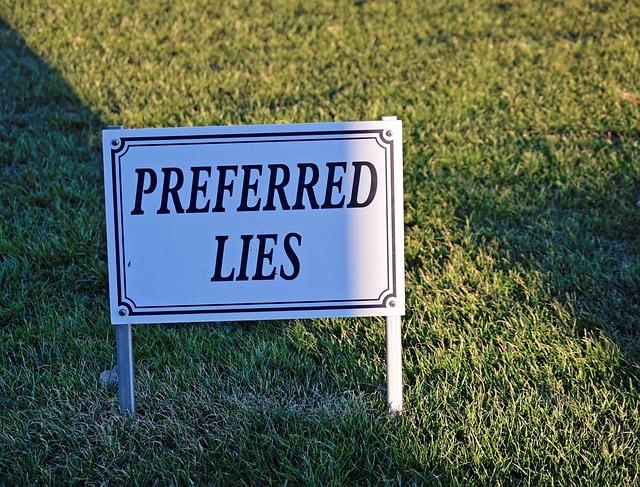
In the intricate world of golf’s rules, questions about ball placement and relief often spark lively debate among players and officials alike. A recent inquiry covered by GOLF.com’s popular “Rules Guy” column tackles one such scenario: Can a golfer remove a ball that is plugged in a bunker in order to identify it without penalty? As strict guidelines govern how players must handle their ball in various situations, this article delves into the official ruling and its implications, shedding light on an issue that frequently confuses golfers at all levels.
Understanding the Rules on Removing a Ball from a Plugged Lie in a Bunker
When your ball is embedded in a bunker, the rules surrounding its removal are specific and precise. According to the USGA and R&A guidelines, a player is allowed to remove the ball from a plugged lie in the bunker to identify it. However, care must be taken to avoid further disturbing the sand more than necessary. Removing the ball is only permitted if it’s necessary to confirm the ball’s identity, and players must mark its original position before lifting it. Once identified, the ball must be replaced on its original spot without penalty.
Understanding what actions are permitted within bunkers is crucial to avoid unnecessary penalties. Here’s a simple breakdown of key points regarding this situation:
- Ball identification: You may lift the ball when it is embedded.
- Marking the spot: Always mark the ball’s position prior to removal.
- Replacement: The ball must be replaced on the exact spot in the bunker.
- Penalty: Removing the ball for identification only is allowed without penalty; improper repositioning may be penalized.
| Action | Allowed? | Penalty |
|---|---|---|
| Removing ball from plugged lie to identify | Yes | None |
| Failing to mark position before removal | No | One stroke |
| Replacing ball incorrectly | No | Penalty strokes apply |
Expert Recommendations for Golfers Dealing with Plugged Lies During Play
Golfers encountering plugged lies in bunkers often find themselves at a crossroad of rules and tactics. According to the United States Golf Association (USGA), lifting the ball to identify it is permitted only if the ball is embedded, provided the player first marks its position. However, players should remember that this relief is strictly limited to conditions of embeddedness, typically in the green-side or fairway bunkers where soil moisture allows the ball to plug deeply. Attempting to remove the ball merely for identification without meeting these criteria can result in penalties, emphasizing the importance of understanding local rules and playing conditions.
To navigate these tricky situations on the course, experts recommend adopting a systematic approach:
- Mark the ball’s position before lifting to avoid confusion or penalty.
- Consult the local rules or ask a rules official if uncertain about embedded lies or relief options.
- Check for the embedded ball condition: whether any part of the ball is below the surface of the ground, not merely sitting in loose sand.
- Use trusted equipment such as a divot tool or ball marker to assist with accurate marking and lifting.
| Scenario | Allowed Action | Penalty if Violated |
|---|---|---|
| Ball embedded in bunker | Lift, identify, clean, and replace | None if done correctly |
| Ball merely resting in sand | No lifting allowed without permission | Two-stroke penalty (stroke play) |
| Uncertain if ball is embedded | Consult rules official or local rules | Risk of penalty if action taken without confirmation |
In Conclusion
In the intricate world of golf rules, understanding the boundaries of what is and isn’t allowed can make all the difference on the course. The question of whether a player can remove a ball from a plugged lie in a bunker to identify it highlights the importance of knowing the official guidelines to avoid penalties. As golfers strive to balance fair play with competitive advantage, staying informed about rule interpretations remains essential. For more detailed insights and updates on golf regulations, be sure to follow GOLF.com’s ongoing coverage.