


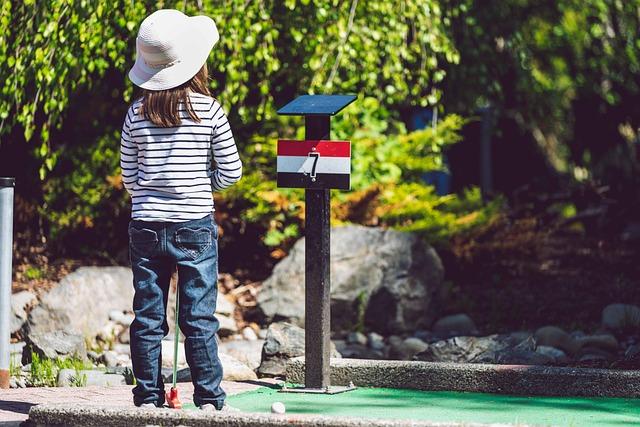
As golf continues to grow in popularity among younger generations, a common question arises among parents and coaches alike: At what age should children begin playing the sport? Experts weigh the benefits of early exposure against the importance of physical readiness, aiming to strike a balance that fosters both skill development and long-term enjoyment. This article explores the ideal starting age for young golfers, drawing on insights from professionals, pediatricians, and industry trends shaping the future of the game.
Ideal Age for Introducing Children to Golf Based on Developmental Milestones
Introducing children to golf aligns closely with certain developmental milestones that mark readiness for physical coordination, focus, and social interaction. Typically, kids between the ages of 4 and 6 years begin to show the fine motor skills necessary to grip a club and make controlled swings. This stage coincides with improved hand-eye coordination and balance, allowing young beginners to enjoy the game without frustration. Around this age, children can also grasp simple rules and routines, which helps in forming good habits on the course and fosters early sportsmanship.
As children grow, their cognitive and emotional growth plays a significant role in how they engage with golf. By the time they reach ages 7 to 9, many kids develop longer attention spans and enhanced strategic thinking, making lessons more fruitful and competitive play more enjoyable. Below is a quick reference table highlighting typical developmental markers that make these age ranges ideal for starting golf:
| Age Group | Physical Milestones | Cognitive/Social Milestones |
|---|---|---|
| 4-6 years |
|
|
| 7-9 years |
|
|
Expert Recommendations on Balancing Skill Building and Fun in Early Golf Training
Golf coaches and child development specialists emphasize the importance of nurturing a child’s enthusiasm for the game alongside the careful development of their skills. For young beginners, the key lies in creating a playful environment where learning through fun is prioritized over strict technique drills. Introducing children to golf with simplified games, colorful equipment, and praise for effort rather than precision helps cultivate a lasting love for the sport. Experts suggest sessions shorter than 30 minutes, focusing on activities like putting challenges, target hitting, and agility games that naturally enhance motor skills.
Balancing skill acquisition with enjoyment demands a flexible approach tailored to each child’s pace and personality. To maintain this balance, professionals recommend:
- Regular breaks to keep energy and attention high
- Varied practice drills to stimulate all aspects of the game without monotony
- Positive reinforcement to build confidence and motivation
- Social play opportunities encouraging teamwork and sportsmanship
| Age Group | Focus Areas | Recommended Session Length |
|---|---|---|
| 3-5 years | Basic motor skills, fun games, hand-eye coordination | 15-20 minutes |
| 6-8 years | Introduction to technique, simple rules, social interaction | 20-30 minutes |
| 9+ years | Skill refinement, strategy, sportsmanship | 30-45 minutes |
In Conclusion
As the trend of introducing children to golf at increasingly younger ages continues, experts emphasize the importance of balancing skill development with enjoyment. While there is no one-size-fits-all answer to when kids should begin playing golf, factors such as individual interest, physical readiness, and access to proper coaching play crucial roles. Ultimately, fostering a positive and supportive environment remains key to nurturing a lifelong appreciation for the game. As families consider this timeless sport for their children, informed decisions and patience will help ensure that the experience is both rewarding and fun.