


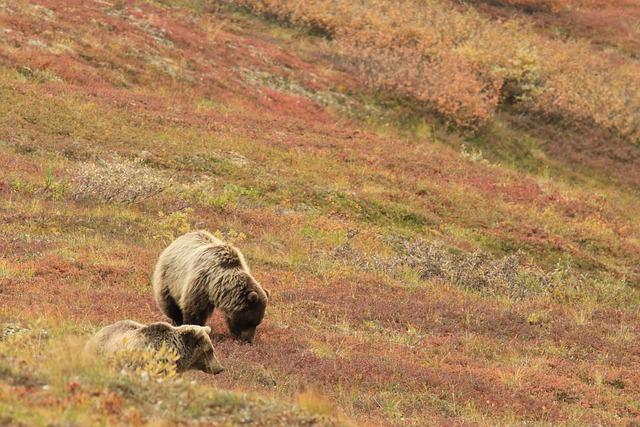
A mother bear and her cubs were discovered roaming a New Mexico golf course earlier this week, drawing attention from both local residents and wildlife officials. The unexpected encounter escalated into a tragic event when efforts to capture the bear for public safety resulted in the mother’s death. Authorities are now investigating the circumstances surrounding the incident, while the community grapples with the loss of the bear and concerns over wildlife management practices.
Mother Bear Found With Cubs on New Mexico Golf Course Dies During Capture Officials Investigate Circumstances and Response Protocols
Authorities in New Mexico are currently investigating the tragic death of a mother bear who was found with her cubs on a local golf course. The bear, attempting to protect her young, was captured by wildlife officials during a containment effort late last week. Despite attempts to ensure a safe and humane capture, the mother bear died shortly after being sedated, raising serious questions about the protocols and measures employed during wildlife interactions in populated areas.
The Department of Game and Fish has initiated a comprehensive review of the incident, examining factors such as:
- The decision-making process preceding the capture attempt
- Use of sedation methods and their application in field conditions
- On-site veterinary support and emergency preparedness
- Impact on the safety of the cubs following the mother’s death
Officials emphasize the need to balance public safety with wildlife conservation, particularly as urban expansion increasingly intersects with natural habitats. This incident has sparked broader calls for updated response strategies and enhanced training for managing encounters with large mammals in non-wilderness settings.
| Aspect | Current Protocol | Proposed Review Focus |
|---|---|---|
| Capture Tactics | Use of tranquilizer darts | Assess sedation safety and alternatives |
| Animal Transport | Immediate relocation post-capture | Evaluate transport timing for health impact |
| Response Time | Rapid containment to avoid public risk | Incorporate risk assessment for stress on animals |
Wildlife Experts Advise Enhanced Safety Measures and Improved Capture Techniques to Prevent Future Tragedies
In light of the recent incident involving the mother bear and her cubs on a New Mexico golf course, wildlife specialists are urging authorities to adopt more cautious and refined methods in handling such delicate situations. Experts emphasize the necessity of real-time behavioral monitoring and less intrusive capture tools to minimize stress and potential harm to wild animals during interventions. Advanced techniques, including the use of drone surveillance and tranquilizer darts with precise dosage control, are recommended to improve the safety of both animals and humans involved.
Furthermore, wildlife advocates are encouraging a collaborative framework between local communities, conservationists, and wildlife agencies. This approach would foster better understanding and preventive strategies to avoid similar tragedies. Below is a summary of the proposed measures designed to enhance future wildlife capture operations:
| Safety Measure | Description |
|---|---|
| Non-Invasive Tracking | Use of GPS collars with minimal sedation |
| Stress Reduction Techniques | Shorter capture duration, calm environmental settings |
| Team Coordination | Trained wildlife professionals with clear role assignments |
| Community Education | Inform residents about coexistence and emergency protocols |
Insights and Conclusions
The tragic death of the mother bear during the capture operation on the New Mexico golf course highlights the complex challenges wildlife authorities face when managing human-animal conflicts. As officials continue to investigate the incident, the community is left grappling with the delicate balance between public safety and the preservation of wildlife. This event serves as a sobering reminder of the impacts that human activity can have on native species and the importance of developing compassionate, effective strategies for coexistence.