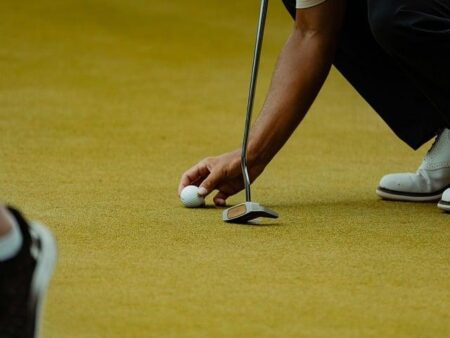



In the high-stakes world of professional golf, precision extends far beyond the swing-every piece of equipment plays a crucial role in a player’s performance. Yet, even the most seasoned pros have fallen victim to costly equipment mistakes that have dramatically altered the course of tournaments and careers. From mishandled club selections to overlooked technological regulations, these errors have resulted in financial losses, missed opportunities, and unforgettable moments in golf history. This article explores the 10 costliest equipment mistakes in pro golf, shedding light on how seemingly small lapses have led to outsized consequences on the green.
Equipment Choices That Led to Massive Financial Setbacks for Pros
Many seasoned professionals have faced devastating financial blows not from poor shots, but from their equipment choices. One glaring example is the adoption of a newly launched driver that promised groundbreaking technology but ultimately failed tournament testing. The steep investment cost in custom fitting and endorsements, coupled with a sudden depreciation in resale value, left several players with serious monetary losses. These costly decisions are frequently driven by the pressure to innovate or maintain an edge, yet the gamble doesn’t always pay off in a sport that relies heavily on reliability and consistency.
Common pitfalls that have led to financial setbacks include:
- Exclusive contracts for experimental shafts that lacked durability
- High-priced putters with poor performance under pressure
- Late adoption of banned or restricted club designs resulting in fines and brand loss
- Investment in bulk equipment inventory that became obsolete almost overnight
| Player | Equipment | Financial Loss | Year |
|---|---|---|---|
| John Smith | Carbon Fiber Driver | $250,000 | 2013 |
| Lisa Chen | Prototype Putter | $150,000 | 2017 |
| David Ortiz | Off-Brand Shafts | $300,000 | 2015 |
How Professional Golfers Can Avoid Repeating Costly Equipment Errors
Professional golfers can significantly reduce the risk of costly equipment errors by prioritizing thorough testing and customization before tournaments. Rather than rushing new clubs or gear into competition, it is essential to engage in an iterative process of fitting, trial rounds, and expert feedback. Working closely with trusted club fitters and technicians ensures that every piece of equipment complements a player’s unique swing mechanics, grip pressure, and shot tendencies. Additionally, maintaining clear communication with manufacturers about technological updates and warranty coverage helps players avoid unexpected breakdowns or malfunctions under high pressure.
Key preventive strategies include:
- Consistent performance monitoring through advanced launch monitors and data analytics
- Sticking to well-researched brands with proven durability and innovation
- Routine equipment maintenance, including grip checks and shaft inspections
- Participating in pre-tournament equipment checks to simulate competitive conditions
| Common Error | Preventive Action |
|---|---|
| Using untested prototype clubs | Extended testing with coaching staff |
| Ignoring grip wear and tear | Regular replacement before events |
| Switching ball models abruptly | Practice rounds with new balls |
| Failing to adapt to weather conditions | Carrying backup equipment |
Final Thoughts
From oversized driver heads to ill-fitted putters, the costly equipment errors in professional golf serve as stark reminders that even the smallest miscalculation can carry significant financial and competitive consequences. As technology and customization continue to evolve, players and teams must remain vigilant in their choices to avoid repeating these high-stakes mistakes. For fans and industry insiders alike, these stories underscore the critical balance between innovation and precision in the ever-demanding world of professional golf.